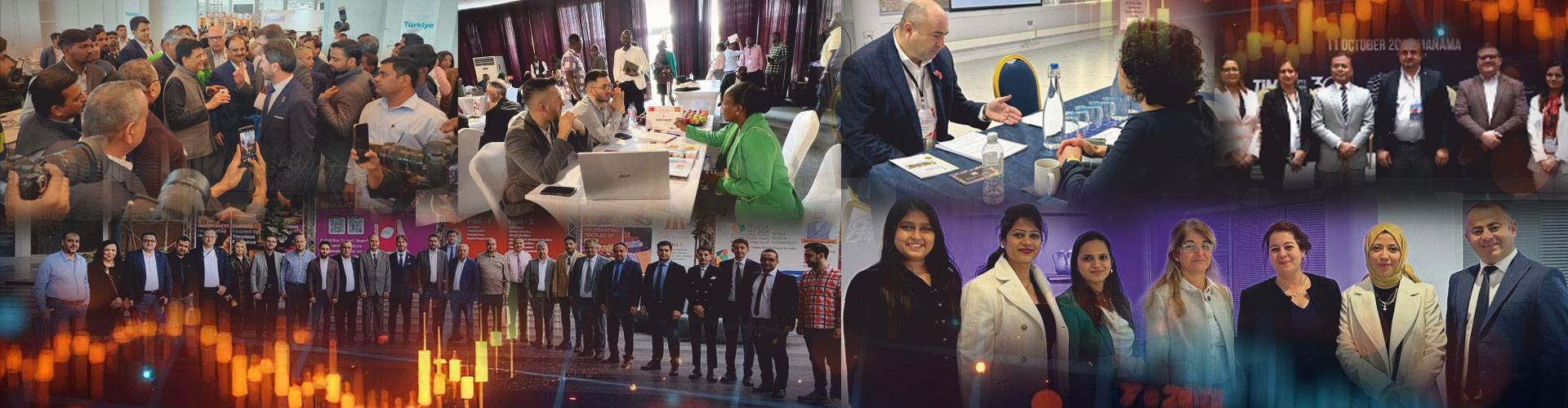
For governments, chambers of commerce, investment promotion agencies (IPAs), and trade organisations, creating international business opportunities is a key priority. One of the most effective ways to achieve this is through a well-planned trade mission.
A successful trade mission enables businesses to explore new markets, connect with qualified buyers and investors, establish strategic partnerships, and identify opportunities for trade and investment. However, organising a trade mission requires much more than booking flights and arranging meetings. Success depends on strategic planning, targeted matchmaking, effective logistics, and structured follow-up.
New to trade missions? Read our guide: What Is a Trade Mission and How Does It Work?
This article focuses on the organiser's perspective and outlines the essential steps required to plan and execute a successful trade mission.
Why Trade Missions Matter
Trade missions remain one of the most effective tools for supporting exports, attracting investment, and strengthening international business relationships.
According to the International Trade Centre (ITC), businesses that participate in structured export promotion programmes are more likely to enter new markets successfully. The World Trade Organization (WTO) also recognises business matchmaking and trade facilitation initiatives as important drivers of international trade growth.
For chambers, IPAs, and economic development organisations, trade missions help:
- Promote exports
- Attract foreign direct investment (FDI)
- Support business expansion
- Facilitate strategic partnerships
- Strengthen bilateral economic relationships
Step 1: Define Clear Objectives
Every successful trade mission begins with a clear purpose.
Before planning starts, organisations should determine whether the mission is focused on export promotion, investment attraction, market expansion, technology collaboration, or partnership development. Clearly defined objectives help guide delegate recruitment, meeting selection, budgeting, and performance measurement.
Step 2: Select the Right Market
Choosing the right destination is critical. Market selection should be based on factors such as industry demand, investment potential, trade relationships, regulatory conditions, and growth opportunities. Leveraging comprehensive Market Insight Strategies can help organisations evaluate opportunities, understand market dynamics, and identify the most suitable destinations for their trade missions.
Step 3: Recruit the Right Delegates
The quality of participating businesses often determines the success of the mission.
Organisations should prioritise companies that have export-ready products or services, clear international growth objectives, and the resources required to pursue opportunities after the mission concludes. Strong delegate selection improves engagement and business outcomes.
Step 4: Develop a B2B Matchmaking Programme
Business meetings are often the most valuable component of a trade mission.
Effective B2B matchmaking trade mission planning involves identifying potential buyers, distributors, investors, and strategic partners before the mission begins. Qualified meetings significantly increase the likelihood of generating partnerships, contracts, and investment opportunities.
Step 5: Plan Budget and Logistics
A successful trade mission requires careful budget management and seamless logistics.
Key considerations include venue costs, delegate management, marketing activities, travel coordination, interpretation services, networking events, and site visits. Well-managed logistics allow delegates to focus on building business relationships rather than operational challenges.
Step 6: Measure Results and Follow Up
The work does not end when the trade mission concludes.
Organisations should track opportunities generated during the mission and maintain communication with participants and business contacts. Consistent follow-up helps convert introductions into partnerships, trade agreements, and investment discussions.
Key Performance Indicators (KPIs)
- Number of delegates participating
- Number of B2B meetings conducted
- Investment leads generated
- Export opportunities identified
- Partnership agreements signed
- Follow-up engagements completed
Trade Mission Planning Timeline
Following a structured trade mission planning timeline ensures all critical activities are addressed systematically. This 6-month framework breaks the process into five phases:
| Timeline | Key Activities |
|---|---|
| 6 Months Before | Define objectives, select target market, identify partners, establish budget |
| 3 Months Before | Recruit delegates, launch promotion activities, begin B2B outreach |
| 1 Month Before | Finalise meetings, confirm logistics, conduct delegate briefings |
| During Mission | Manage meetings, networking events, site visits, delegate support |
| Post-Mission | Follow-up activities, KPI measurement, impact reporting |
Common Challenges in Trade Mission Management
Many trade missions fail to achieve desired outcomes due to poor delegate selection, weak matchmaking, insufficient market research, inadequate logistics planning, or lack of follow-up.
Addressing these challenges requires strong planning, local market knowledge, and access to trusted business networks.
Supporting Successful Trade Missions
The most successful trade missions are those that create long-term business relationships and measurable economic outcomes.
By focusing on strategic planning, targeted B2B matchmaking, and structured follow-up, organisations can maximise the value delivered to participating businesses and stakeholders.
Whether you're organising a chamber of commerce trade mission or leading an IPA-led programme, the principles remain the same: strategic planning, targeted matchmaking, and consistent follow-up drive results.
Planning a Trade Mission?
At Crescendo Worldwide, we have supported governments, chambers of commerce, and investment promotion agencies across 150+ countries in planning and executing trade missions that generate measurable business outcomes. From delegate recruitment and B2B matchmaking to on-ground logistics and post-mission follow-up — our team manages every stage so your organisation can focus on strategic objectives.
Conclusion
Trade missions remain a powerful tool for export promotion, investment attraction, and international business development. Organisations that invest in proper planning, targeted matchmaking, and effective follow-up can create meaningful opportunities for participating businesses while strengthening economic relationships between markets.
With the right strategy and execution framework, trade missions can deliver lasting business connections, investment opportunities, and measurable economic impact.