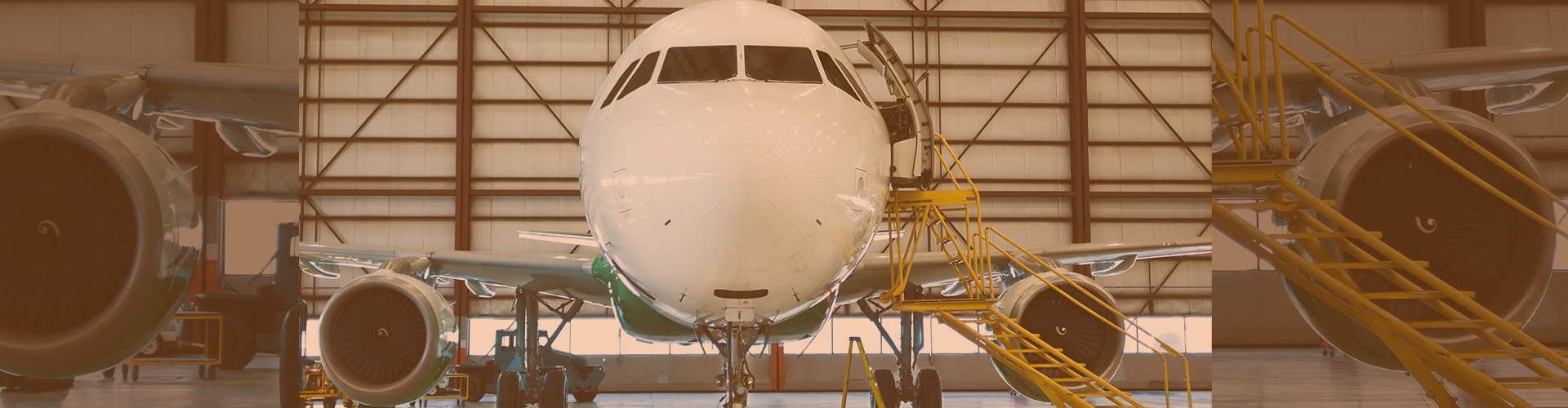
The global aerospace manufacturing sector is undergoing a profound structural shift. Driven by the dual pressures of capacity constraints in traditional Western hubs and the urgent need for operational redundancy, global original equipment manufacturers (OEMs) are actively diversifying their supplier networks.
For high-tech component manufacturers and engineering firms, this repositioning presents an unprecedented window of opportunity to integrate into global aerospace and defence value chains. However, entering this highly regulated domain requires more than production capacity; it demands flawless alignment with international compliance frameworks, stringent quality management systems, and a strategic market entry blueprint.
This guide outlines the critical compliance benchmarks, risk mitigation frameworks, and operational strategies required to successfully navigate cross-border aerospace sourcing.
In aerospace manufacturing, regulatory compliance is the ultimate barrier to entry. Unlike commercial manufacturing, where standards can be flexible, aerospace sourcing operates on a zero-tolerance policy for defects.
The absolute baseline for any facility aspiring to join a global aerospace supply chain is AS9100 Rev D certification. This standard builds upon ISO 9001 but introduces stringent requirements tailored specifically to aviation, space, and defence organizations. To meet global OEM standards, your QMS must demonstrate robust processes for:
Cross-border aerospace manufacturing frequently involves the transfer of dual-use technologies—items that have both commercial and military applications. If you are targeting the U.S. market or working with U.S. prime contractors, understanding and adhering to the International Traffic in Arms Regulations (ITAR) and the Export Administration Regulations (EAR) is mandatory.
Firms must establish strict internal compliance programs (ICPs) that regulate data access, cloud storage of engineering designs, and the physical security of the manufacturing floor to prevent unauthorized data transfers.
Expanding your manufacturing footprint into new geographic territories introduces inherent logistical, geopolitical, and operational complexities. Leading aerospace consultants recommend a multi-layered risk mitigation strategy.
To insulate operations from regional disruptions, OEMs are increasingly mandating secondary sourcing strategies. Tier-1 and Tier-2 suppliers should position themselves as reliable alternative hubs that offer identical quality standards with independent supply routes.
The aerospace industry relies heavily on specialized materials, including titanium, advanced composites, and aerospace-grade aluminium. Securing mill certificates and maintaining unbroken traceability from the raw material stage to the finished component is non-negotiable for passing OEM audits.
Implementing robust Enterprise Resource Planning (ERP) systems that offer real-time visibility into inventory levels helps mitigate transit delays. Embracing the "digital thread"—where design, manufacturing, and quality data are digitally linked—allows for rapid troubleshooting across borders.
Where you choose to establish your international operations, joint ventures, or engineering design centres significantly impacts your speed-to-market. When evaluating foreign direct investment (FDI) opportunities for aerospace expansion, prioritize regions that offer built-in industrial ecosystems.
| Infrastructure Criteria | Operational Advantages | Key Requirements |
|---|---|---|
| High-Tech Robotics Hubs | Automated CNC machining & AI-driven quality inspection | Minimizes human error and scales high-volume precision parts. |
| Specialized Talent Pools | Pre-trained aerospace engineers & NDT technicians | Reduces onboarding timelines and ensures immediate operational compliance. |
| B2G Networking Pipelines | Direct access to trade missions & OEM primes | Fast-tracks institutional trust and helps bypass regulatory bottlenecks. |
Selecting a location with an established high-tech infrastructure ensures that you can readily access specialized tier-3 suppliers (such as surface treatment, heat treatment, and non-destructive testing facilities) that already hold necessary approvals like Nadcap (National Aerospace and Defence Contractors Accreditation).
For mid-sized engineering and manufacturing firms, breaking into the tier-1 or tier-2 supplier network requires a structured, multi-phase approach:
1. Capability and Gap Analysis:
Audit your current manufacturing capabilities, machinery tolerances, and workforce certifications against international aerospace standards. Identify the technical investments required to scale.
2. Achieve Specialized Accreditations:
Secure AS9100 certification and align your manufacturing processes with Nadcap requirements for special processes (chemical processing, welding, heat treating).
3. Leverage Business-to-Government (B2G) Channels:
Participate in international trade delegations, bilateral investment summits, and specialized aerospace exhibitions. Connecting with Government Trade Bodies and Investment Promotion Agencies (IPAs) can fast-track market entry, provide regulatory clarity, and unlock local investment incentives.
4. Prototype and Qualification Phases:
Anticipate a lengthy sales cycle. Initial engagements typically involve low-rate initial production (LRIP) and rigorous first-article inspection (FAI) processes before long-term manufacturing contracts are secured.
The reconfiguration of global aerospace supply chains is not a temporary trend; it is a permanent structural realignment. As OEMs seek resilience, agility, and technical excellence, manufacturing firms that proactively upgrade their compliance frameworks and leverage strategic global hubs will secure a dominant position in tomorrow’s aerospace value chain.
By aligning technical capability with robust cross-border strategies, your business can successfully transition from a regional player into a critical link in global aviation and defence manufacturing.